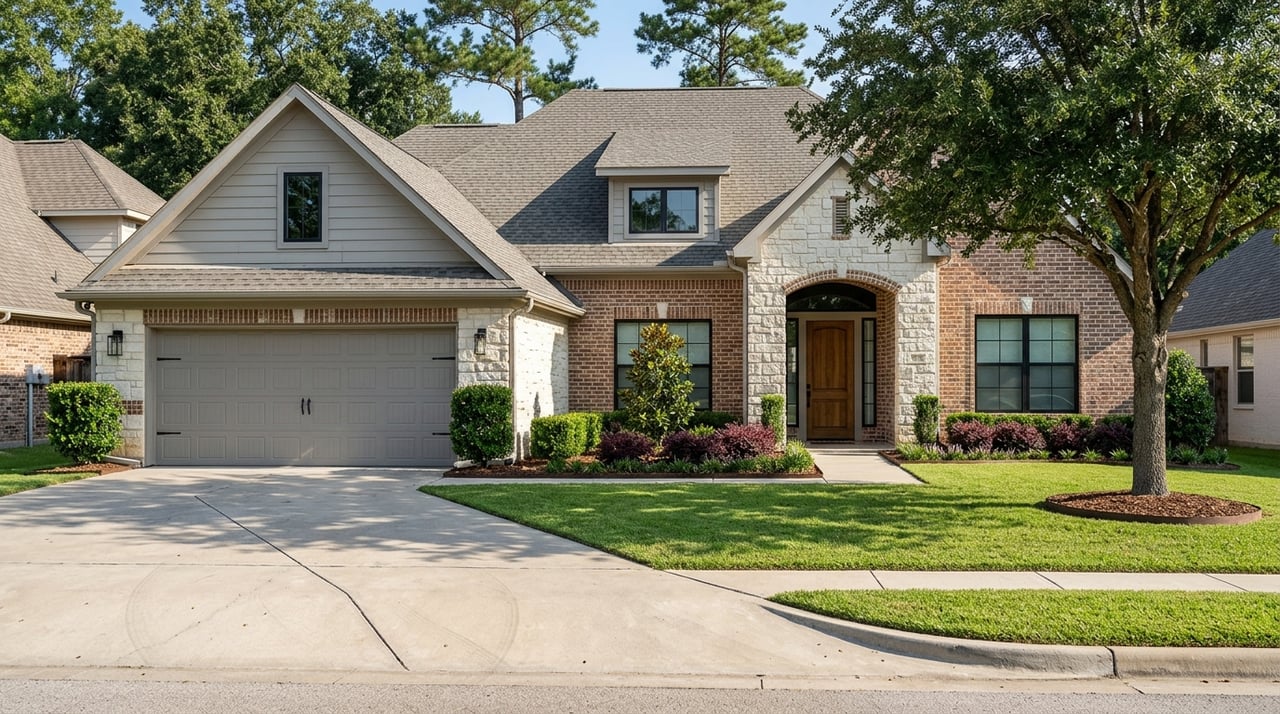
Houston Vs Northwest Suburbs: Housing Tradeoffs Explained
June 25, 2026
June 25, 2026
Trying to choose between Houston and the northwest suburbs? You are not alone. Many buyers end up weighing the same push and pull: better proximity and city convenience, or more space and a more suburban setup. If you are comparing Houston with places like Spring, Cypress, and The Woodlands, this guide will help you sort through the real housing tradeoffs so you can make a decision that fits your budget, routine, and long-term goals. Let’s dive in.
For most buyers, this choice comes down to proximity versus space. Houston often gives you closer access to major job centers, entertainment, and medical destinations. The northwest suburbs often give you more detached-home options, more outdoor space, and more planned neighborhood amenities.
That does not mean one option is better for everyone. It means your best fit depends on how you live day to day, where you work, how much home you want, and what monthly costs you can comfortably carry.
Houston is a much larger and denser housing market. Census data shows the city has 1,070,556 housing units across 640.2 square miles, with a 42.1% owner-occupied rate and a median owner-occupied home value of $277,800.
By contrast, the northwest suburban areas in this comparison lean more owner-occupied. The Woodlands has a 72.5% owner-occupied rate and a median owner-occupied value of $511,700, while Spring has a 74.4% owner-occupied rate and a median owner-occupied value of $231,500.
In practical terms, Houston can offer a wider mix of housing types and a more urban feel. The northwest suburbs tend to offer more traditional detached homes and a setting that feels less dense.
When you tour homes, lot size is often one of the clearest differences. Recent listing examples show a 3,600 square foot lot in Houston’s Third Ward, a 6,708 square foot lot in Cypress, and larger examples in The Woodlands including 7,523 square feet and even a 35,553 square foot corner lot.
These examples are not averages, but they reflect a pattern many buyers see in person. In the city, you are often paying for location and access. In the northwest suburbs, you are more often paying for house footprint, yard space, and separation from neighbors.
Recent HAR market snapshots show the same broad split in pricing. In April 2026, the Greater Houston area median single-family price was $332,000. Cypress posted a median price of $412,000 in April 2026, while The Woodlands market area had a median sold price of $828,651 in March 2026.
That range matters because buyers sometimes assume leaving the city always means lower pricing. In this part of the market, that is not always true. Some northwest suburban areas, especially The Woodlands, can command a significant premium.
If you are focused on value, the answer changes by area and price point. Houston can be the lower-cost baseline in broad market snapshots, while Cypress tends to run higher and The Woodlands often sits much higher.
Still, price alone does not tell the whole story. A lower city price may come with a smaller lot, attached housing, or a different commute pattern, while a higher suburban price may buy more indoor and outdoor living space.
Work location is one of the biggest factors in this decision. According to the City of Houston, three major employment centers inside Loop 610 account for as many as 450,000 jobs, and Loop 610 contains 15% of the city’s land area but more than 35% of its jobs.
Downtown remains the city’s largest business district, with more than 3,500 businesses. If your work, appointments, or social routine are centered in the inner loop, that concentration matters.
Houston’s core is usually the easier choice if you want simpler access to downtown, the Texas Medical Center, or other major inner-loop destinations. If your week includes office time, events, dining, or regular medical visits in those areas, being closer can reduce friction in your daily routine.
This is especially important for buyers who value convenience over square footage. In many cases, the shorter and simpler route becomes part of the value of the home itself.
The northwest suburbs can be a strong fit if you are comfortable with a more car-dependent routine. The Woodlands is about 27 miles north of downtown Houston, and it offers commuter bus service to downtown, the Texas Medical Center, Greenway Plaza, and the Energy Corridor through three park-and-ride locations.
METRO also runs northwest routes into downtown and the Texas Medical Center, including routes serving Cypress, Spring, Kuykendahl, and Grand Parkway corridors. That gives some buyers a workable middle ground: more house and yard, with transit options available for key commute patterns.
The housing decision is also a lifestyle decision. Houston and the northwest suburbs can support very different daily rhythms.
Downtown Houston offers urban amenities that are hard to match in a suburban setting. The city highlights destinations such as Discovery Green, Daikin Park, Toyota Center, the George R. Brown Convention Center, and a revitalized dining and entertainment scene.
If you enjoy spontaneous plans, cultural events, and being close to major venues, Houston has a strong case. You may have better access to entertainment, dining, and large employment centers, along with a more connected urban environment.
For some buyers, that kind of convenience outweighs the tradeoff of a smaller lot or a denser neighborhood pattern. It can be especially appealing if you want your weekends and evenings to involve less driving.
The Woodlands leans heavily into open space and structured recreation. The Township reports more than 150 parks, more than 220 miles of pathways, and 4,445 acres of open space, along with commuter service and a Town Center Trolley.
Cypress-area master-planned communities also emphasize connected outdoor amenities. In places like Bridgeland, trails are designed to connect neighborhoods with parks and village-style destinations.
That suburban tradeoff is clear. You may give up some urban walkability, but you often gain private outdoor space, neighborhood amenities, and a more planned residential setting.
One of the biggest mistakes buyers make is comparing homes based only on sticker price. In Texas, your full monthly cost depends on more than the sales number.
The Texas Comptroller makes clear that property taxes are set locally, and your bill can include city, county, school district, and special district rates depending on the address. That means two homes with similar prices can carry very different tax burdens.
A recent Harris County tax statement for one Houston home included Houston ISD, Harris County, Harris County Flood Control District, Port of Houston Authority, Harris County Hospital District, Houston City College, and the City of Houston. Montgomery County also includes many layered taxing entities and special districts in its local structure.
The takeaway is simple: you need to review the actual property-specific tax picture before making a decision. Broad assumptions based on city name alone can lead to surprises.
Flood risk should also be part of your comparison. Harris County Flood Control advises all Harris County residents to understand their flood risk and consider flood insurance, and FEMA’s Flood Map Service Center is the official source for flood-hazard information used in the National Flood Insurance Program.
This matters in both the city and the suburbs. Even if two homes have similar list prices, differences in flood insurance needs can change the long-term carrying cost.
As you compare options, look beyond principal and interest. It helps to budget for:
A home that seems less expensive upfront may not stay that way once these costs are added in. On the other hand, a higher purchase price may come with a lifestyle or commute setup that feels more sustainable for your household.
If you are stuck between Houston and the northwest suburbs, start with your routine instead of the listing photos. Ask yourself where you spend most of your time, how much driving you can tolerate, and whether you care more about access or square footage.
Houston may be the stronger fit if you want to stay close to major job centers, entertainment, and medical hubs. The northwest suburbs may be the better fit if you want more detached-home options, more yard space, and neighborhood-focused outdoor amenities.
The right answer is usually not the market with the most buzz. It is the one that best supports your budget, your commute, and the way you want to live every day.
If you want help comparing Houston, Spring, Cypress, or The Woodlands at the neighborhood level, Dave Jensen can help you narrow the options and make a confident move.
Stay up to date on the latest real estate trends.

How a client's vision for education, childcare, and community became a real estate deal — and what it teaches about the order every goal requires.

It's showing up now.

Leveraging experience and data to produce a solution that's a fit for you, your current and long-term goals. And it starts with our first conversation. Call today!

1335 Lake Woodlands Dr C The Woodlands TX 77380