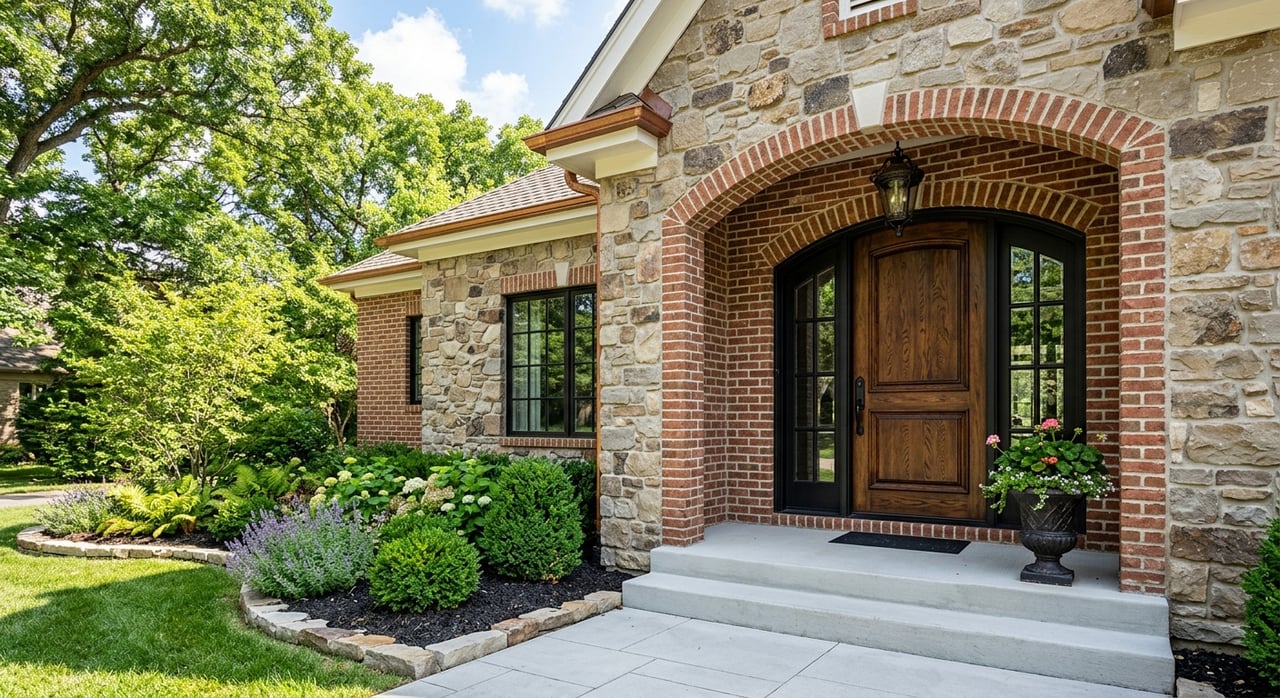
Strategic Guide to Pricing a Home in The Woodlands
April 16, 2026
April 16, 2026
If you price your home too high in The Woodlands, you may not just miss out on offers. You could also lose momentum during the most important days of your listing. If you are thinking about selling, the good news is that a smart pricing strategy can help you attract serious buyers, protect your negotiating position, and move forward with more confidence. Let’s dive in.
The Woodlands is not an incorporated city, and that matters more than many sellers realize. According to The Woodlands Township, the community is organized around villages and service boundaries rather than one single municipal market.
That means your home is not competing with every property in The Woodlands in the same way. It is competing most directly with homes in your village, your subsection, and your price band, especially those with similar size, condition, and style.
The township’s village structure also reinforces how distinct these micro-markets can be. A seller in Alden Bridge may face a very different pricing conversation than a seller in Creekside Park, Grogan’s Mill, or Indian Springs.
Recent public data points to a market where pricing discipline matters. HAR’s March 2026 trends for The Woodlands show an average single-family price of $819,993, a median price of $690,000, 84 total transactions, and 15.5 average days on market.
At the same time, Redfin’s February 2026 market page reports a median sale price of $615,000 and 63 median days on market. Realtor.com’s February 2026 data for The Woodlands shows a $615,000 median listing price, 30 median days on market, and a 93% sale-to-list ratio.
These numbers are not direct apples-to-apples comparisons because they come from different sources and time windows. Still, they tell a consistent story: asking price and final sale price are not always the same, and broad averages do not tell you exactly where your home should be positioned.
That point is also supported by broader state and regional trends. The Texas Real Estate Research Center reported 80 average days on market statewide in January 2026, median seller price cuts of $19,000, and 4.7 months of supply. In the Houston metro, active listings reached 33,731 with 4.5 months of supply in December 2025.
A community-wide median can be useful for context, but it should never be the whole pricing strategy. In The Woodlands, neighborhood-level differences are significant.
For example, Realtor.com neighborhood data shows the Village of Indian Springs at a $566,000 median listing price with 38 median days on market, while Grogan’s Point is listed at $1,599,500 with 28 median days on market. Windsor Hills shows $404,400, and Northland Indian Hills shows $299,900 with 120 days on market.
That spread is a reminder that buyers do not evaluate every home in The Woodlands the same way. They compare homes by location, layout, lot, condition, updates, and how well a property fits its immediate surroundings.
In practical terms, your pricing strategy should reflect:
If you have checked online estimates, you are not alone. But a portal estimate is not the same as a pricing strategy.
According to the National Association of Realtors consumer guide, agents build pricing recommendations by looking at a home’s size, location, amenities, and condition. They also study similar properties that have recently sold, are under contract, or are currently active.
That process is called a comparative market analysis, or CMA. The most important anchor is usually recent sold data, because it reflects what buyers were actually willing to pay, not just what a seller hoped to get.
A strong CMA does more than pull a few nearby addresses. It adjusts for meaningful differences, such as:
In any market, condition affects price. In The Woodlands, that can be even more important because the township maintains covenant standards and Residential Design Review Committees for exterior home improvements.
For single-family homes, exterior improvements generally require prior approval, and each village has its own review committee. That structure helps preserve community standards, which means buyers may pay close attention to exterior presentation and visible upkeep.
This does not mean every seller needs a major renovation before listing. It does mean your pricing should be honest about your home’s current presentation, any deferred maintenance, and how it compares to nearby homes that have already sold.
If your home has updated finishes, strong curb appeal, and a move-in-ready feel, that may support a stronger list price. If it needs cosmetic work or repairs, strategic pricing can help attract buyers who are still willing to act.
The first price is usually your best chance to capture attention. Once a listing sits too long, buyers often start asking what is wrong, even if the issue is simply the price.
Freddie Mac notes that high days on market can signal weak buyer competition and can cause buyers to question why a home has not sold. The same guidance says setting the right price at the start and making the home look move-in ready can help reduce time on market.
That matters in The Woodlands right now. Redfin reports that 24.2% of listings had price drops and that homes sold for about 3% below list on average. Realtor.com says homes sold 7.41% below asking on average in February 2026.
The takeaway is simple: even a small overpricing decision can reduce early traffic, weaken offer quality, and increase the odds of a later price cut. A thoughtful Day-1 price can help keep your listing in its freshest market window, when buyer attention tends to be strongest.
Strategic pricing is not about underpricing your home. It is about positioning it where the market is most likely to respond.
When your price aligns with local evidence, you improve your chances of:
The best pricing strategy also reflects your goals. NAR notes that seller timing matters, and a more competitive asking price may make sense if you want to move quickly. If you have more flexibility, your pricing plan may allow for a different approach, but it should still be grounded in current local comparables.
Even a well-prepared listing sometimes needs an adjustment. Markets shift, buyer feedback reveals patterns, and competing inventory changes the landscape.
You may want to revisit price if you are seeing:
Waiting too long can make the listing feel dated. In many cases, an early correction is more effective than letting a home sit while buyers grow more cautious.
In The Woodlands, strategic pricing starts with hyperlocal evidence, not a broad average and not an automated estimate. Your village, section, condition, and competition all shape how buyers will view your home.
That is why pricing should be treated as part analysis and part positioning. When you look closely at recent sold data, active competition, condition, and timing, you can choose a list price that supports your goals instead of working against them.
If you are thinking about selling and want a pricing strategy built around your specific home, village, and market position, Dave Jensen can help you evaluate the numbers and make a confident plan.
Stay up to date on the latest real estate trends.

How a client's vision for education, childcare, and community became a real estate deal — and what it teaches about the order every goal requires.

It's showing up now.

The renovation decisions you made in 2021 are being priced by today's buyers. Here's what that means for you.
Leveraging experience and data to produce a solution that's a fit for you, your current and long-term goals. And it starts with our first conversation. Call today!

1335 Lake Woodlands Dr C The Woodlands TX 77380