Your Home Made Sense in 2020. Does It Still?
Dave Jensen May 5, 2026
Dave Jensen May 5, 2026
I've been having a specific conversation more often lately.
Someone bought between 2018 and 2022. They had reasons. The rate was good, or the neighborhood was close, or the school zone was right, or they needed to move quickly and the options were limited. They got into something. It fit the moment.
Now it's four or five years later. The moment has changed. The home hasn't.
What I'm hearing in those conversations — and I'm hearing it from people in Cypress, Klein, Spring, and all across northwest Houston — is a specific kind of uncertainty. Not dissatisfaction with the home, exactly. More like a quiet sense that the original criteria and the current situation no longer match, and no one has mapped what that means.
That gap is where this post starts.
The criteria problem
Most homeowners think about a real estate decision in terms of what they want now. The price that works today. The neighborhood that's convenient this year. The size that fits the current headcount.
Those are not wrong inputs. They're just incomplete ones.
What tends to go unexamined is the long-range read: does this home build toward the next one? Is the equity trajectory likely to match the move-up timeline? Is the location pointed toward a buyer pool that grows over time, or one that flattens? Does the floor plan — the one that works perfectly for today's family configuration — hold its value when a future buyer walks through?
Most people don't know the answers to those questions when they buy. They're buying for the present. And in a compressed market with limited inventory and a closing date bearing down, long-range criteria gets pushed aside.
That's not a failure of judgment. That's what compressed markets produce.
What changes
Here's what actually shifts over four or five years: life does. The job relocates, the family size changes, the commute calculus gets recalculated, the kids age into different school zones, the parents move closer or need care, the business changes.
The home stays the same.
The mismatch builds slowly. A room that worked perfectly in 2021 is the wrong room in 2026. A location that made sense when the commute was downtown doesn't hold the same logic when the office moved. A floor plan that was an acceptable compromise under time pressure is now the floor plan that shapes every buyer's first impression.
None of these are crises. But each one quietly affects two things: how quickly this home sells when you need it to, and how much of that sale funds the next chapter.
The number most homeowners don't know
The question I hear least often — and the one that matters most at this stage — is: what is this home building toward?
Not what is it worth today. Not what could we get for it right now. The long-range read: does owning this home position us for the sequence we actually want to be in five or seven years from now? And if the answer isn't clear, what would make it clearer?
I worked through this recently with a family who bought in Tomball in 2020. They came in thinking they wanted to list and move to something larger in Bridgeland. They had done the math on their equity. What they hadn't mapped was the preparation sequence — the specific work the home needed before a buyer pool at their target price point would respond the way they needed it to.
Not because the home was in bad shape. Because the buyer pool for the home they wanted to move into was competitive, and their proceeds needed to land at a specific number to make the move work cleanly.
The preparation sequence was six weeks. Not optional. Not shortcut-able. Six weeks to be positioned correctly for the window they wanted.
They knew none of that going in. The conversation didn't take long. The plan wasn't complicated. What it required was the right question asked early enough to act on the answer.
What this looks like in Houston right now
Northwest Houston homeowners are actively navigating this. The homeowners who bought between 2018 and 2022 — in Klein, Cypress, Tomball, Spring, Bridgeland — are now in or near the window where the sequence question becomes relevant. The original criteria has run its course. What comes next depends on whether the long-range criteria gets attention now, while there's still room to build it.
This is not a market timing question. It's a sequence question. The market will do what it does. The equity will build on its own schedule. What determines how much of that equity is usable — how cleanly it converts to the next chapter — is what happens between now and the moment the sign goes up.
The cost of leaving this question unexamined
Most people plan the move. The preparation sequence — the work the home needs before the right buyer shows up and responds at the right number — is what almost no one has mapped. Not because they aren't motivated. Because no one walked them through it.
The families I've seen execute transitions cleanly shared one thing in common. They had the long-range conversation early enough to use it.
Most people plan the move. Almost no one plans what the move requires eighteen months before it happens.
Stay up to date on the latest real estate trends.
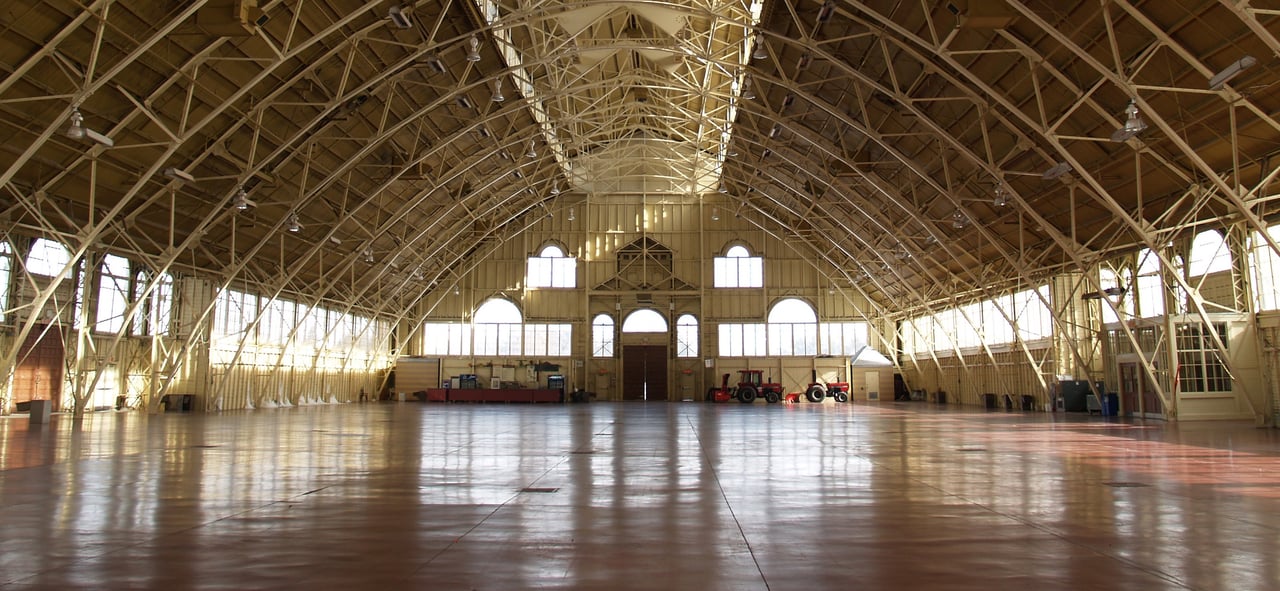
How a client's vision for education, childcare, and community became a real estate deal — and what it teaches about the order every goal requires.
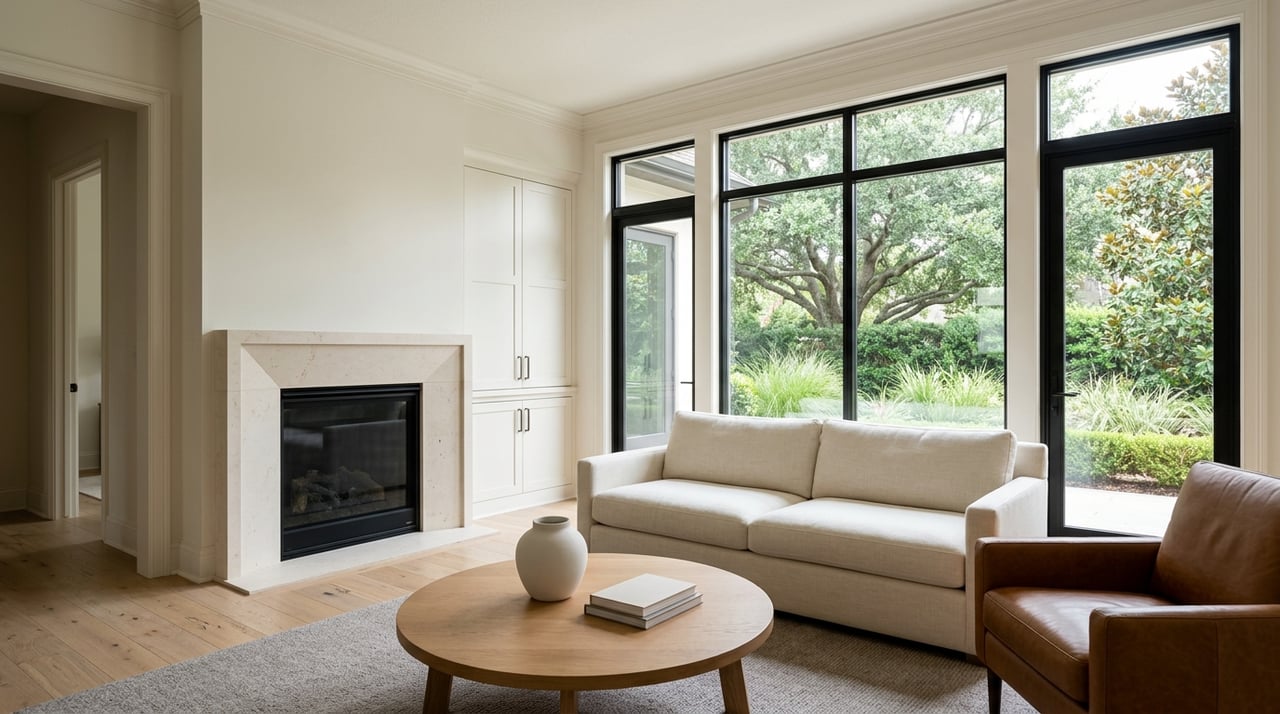

It's showing up now.
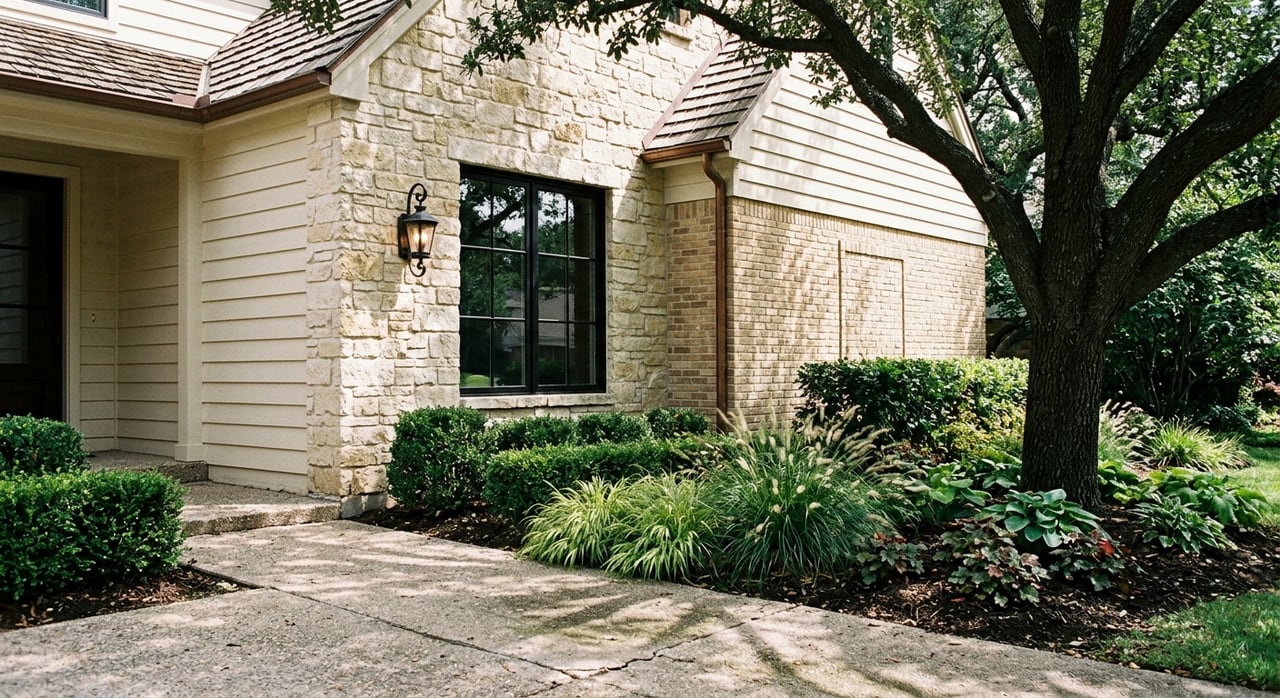

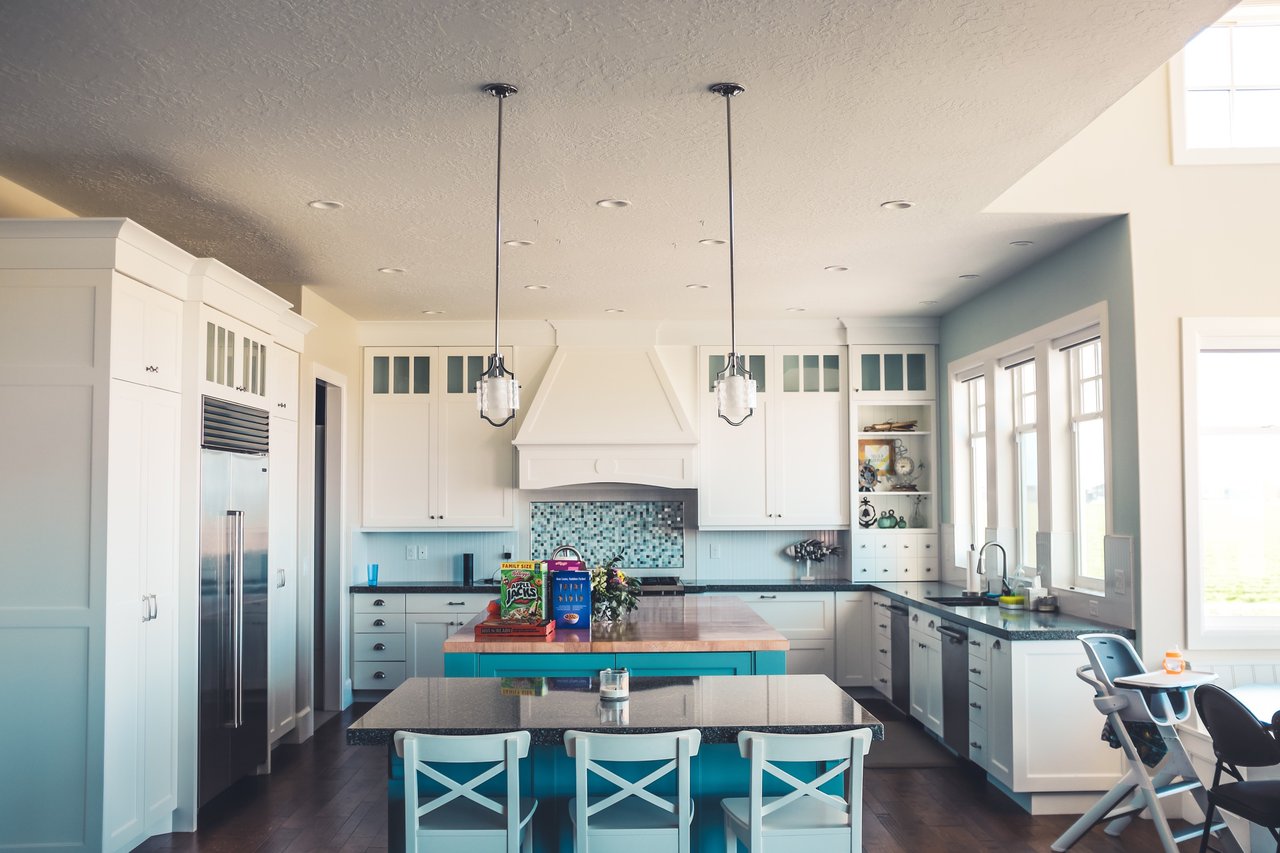
The renovation decisions you made in 2021 are being priced by today's buyers. Here's what that means for you.
Leveraging experience and data to produce a solution that's a fit for you, your current and long-term goals. And it starts with our first conversation. Call today!

1335 Lake Woodlands Dr C The Woodlands TX 77380