The Number Nobody Calculates Until the Negotiation
Dave Jensen May 11, 2026
Dave Jensen May 11, 2026
I've been in a lot of homes in northwest Houston lately. Some are getting ready to list. Some are already listed. A few are somewhere in between — the owners know they want to move, they just haven't named a timeline.
What I'm noticing across these conversations is a specific gap. Not a problem with the homes. A gap between what the owner believes the home is worth and what the current buyer pool will confirm.
In most cases, that gap was created years ago. Not by a bad decision — by a renovation decision made for the family living in the house, without a conversation about what that decision would mean for the family who would someday buy it.
I call this Decision Debt.
Choices made years ago, often expensive, often beautiful, that quietly narrow the future buyer pool. The debt accrues invisibly. It shows up at the negotiation table.
The homeowner in 2020 or 2021 had reasons. The rate was historically low. The market was moving fast. They made the house their own — the kitchen they'd always wanted, the primary bath designed around their preferences, the floor plan modification that made the house work exactly the way their family needed it to.
None of those were wrong decisions. Every one of them was made without information about the buyer pool — because that information wasn't relevant at the time.
It becomes relevant when the house goes on the market.
A buyer evaluating a home isn't seeing the renovation the way the owner sees it. They're seeing it against every other home in that price range. The commercial range the owner loves is an asset to the buyer who cooks — and a removal cost to the buyer who doesn't. The tile that photographs beautifully might read as a redo to the buyer who already has a style in mind. The addition that solved a specific family problem might feel awkward to a buyer with a different configuration.
None of these are dealbreakers. They are narrowers. They reduce the number of buyers who see the home and want it at full value. That narrowing doesn't announce itself during the renovation. It announces itself in the offer.
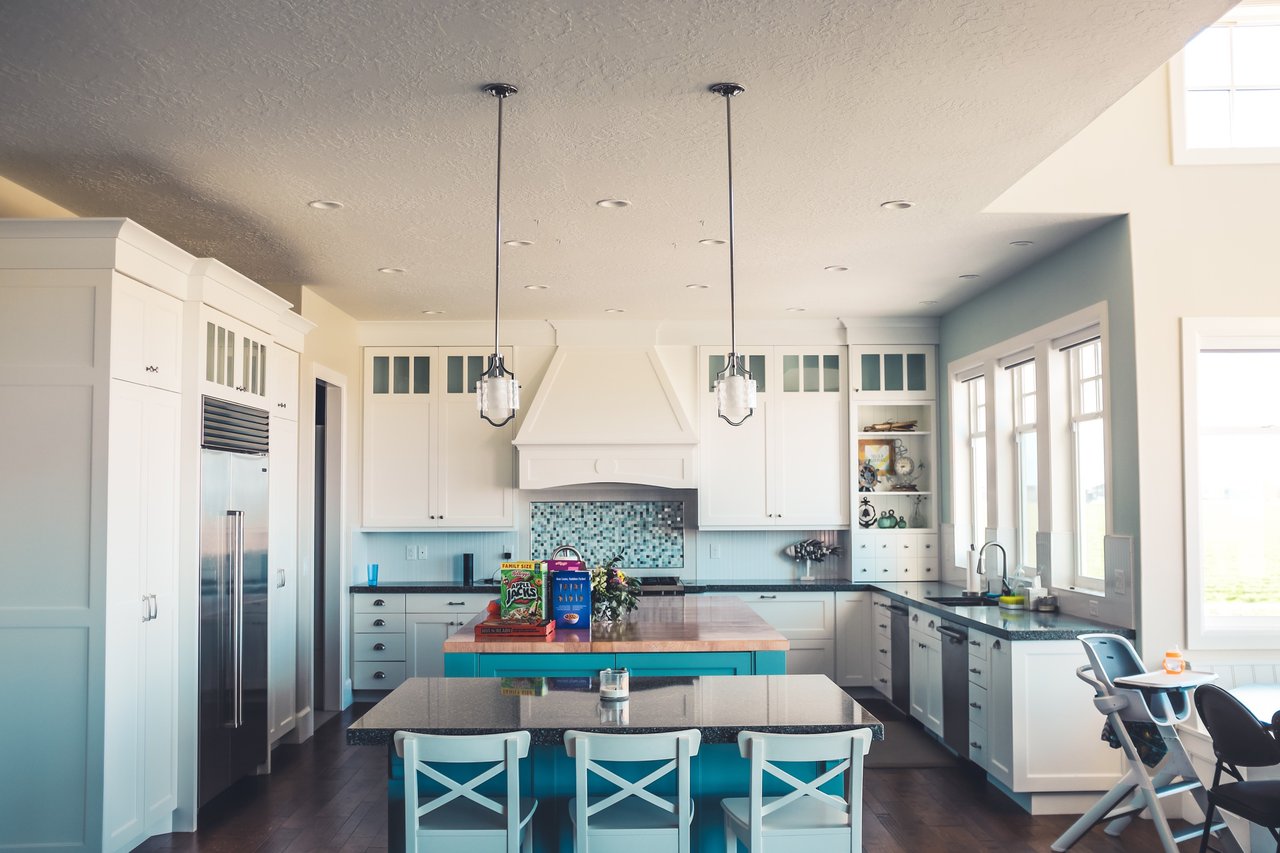
I heard a version of this play out recently through a colleague. A Cypress couple had spent 2021 and 2022 renovating — a kitchen expansion, custom cabinetry, a commercial range, hand-laid Moroccan mosaic across the backsplash. Their designer had called it bold and timeless. Beautiful work. Specific taste. When they listed, the buyer pool was narrower than they'd expected, and the gap between their hoped-for number and what the market delivered showed up exactly where it always does — in the negotiation.
The story isn't unusual. It's just usually invisible until that moment.
The sellers I've seen navigate this well came to me before the timeline was fixed. Not two weeks before the sign went up — months before. Early enough that what we found in the conversation could actually be acted on.
I met with a couple recently who bought in 2022 and are planning to list mid-summer. They came in about six weeks before they needed to — not because there was urgency, but because they understood that preparation takes time and they didn't want to start from scratch in June.
What we found: one renovation choice that would reduce their buyer pool at their target price point. Manageable. Fixable in the time they had. Priced correctly if not fixed. But only visible because we had the conversation early enough to use it.
That's the sweet spot. Not the most neutral home. Not the most cautious renovation. Just the right conversation at the right time — while the window to act on the answer was still open.
Decision Debt doesn't have a fixed price. It depends on what the renovation was, what the buyer pool for that price point actually wants, and whether there's time and budget to address it before listing.
What it has is a pattern: days on market, price reductions, offers that come in below the number the seller had planned on. The buyer isn't wrong to make that offer. They're telling the seller, in the only language available to them, what the renovation cost to absorb.
In Cypress, Klein, Tomball, The Woodlands, and Magnolia right now, there are homeowners in years four, five, and six of ownership who made renovation decisions in a different market. Some of those decisions are assets. Some are neutral. Some have accumulated Decision Debt that will surface the moment a buyer stands in the home and starts calculating.
The ones who find out early can do something about it.
If you renovated in the last three to five years and haven't thought through what that means for your buyer pool, the time for that conversation is now. Not when you're ready to list. Now — while the window to do something about it is still open.
Every year this question goes unanswered is a year of options quietly expiring.
I'm Dave Jensen. This is the conversation I have with homeowners before it becomes urgent — and it costs nothing to have it. If you'd like to talk through where your home stands, I'm here: davejensenproperties.com/contact-us
Stay up to date on the latest real estate trends.

How a client's vision for education, childcare, and community became a real estate deal — and what it teaches about the order every goal requires.
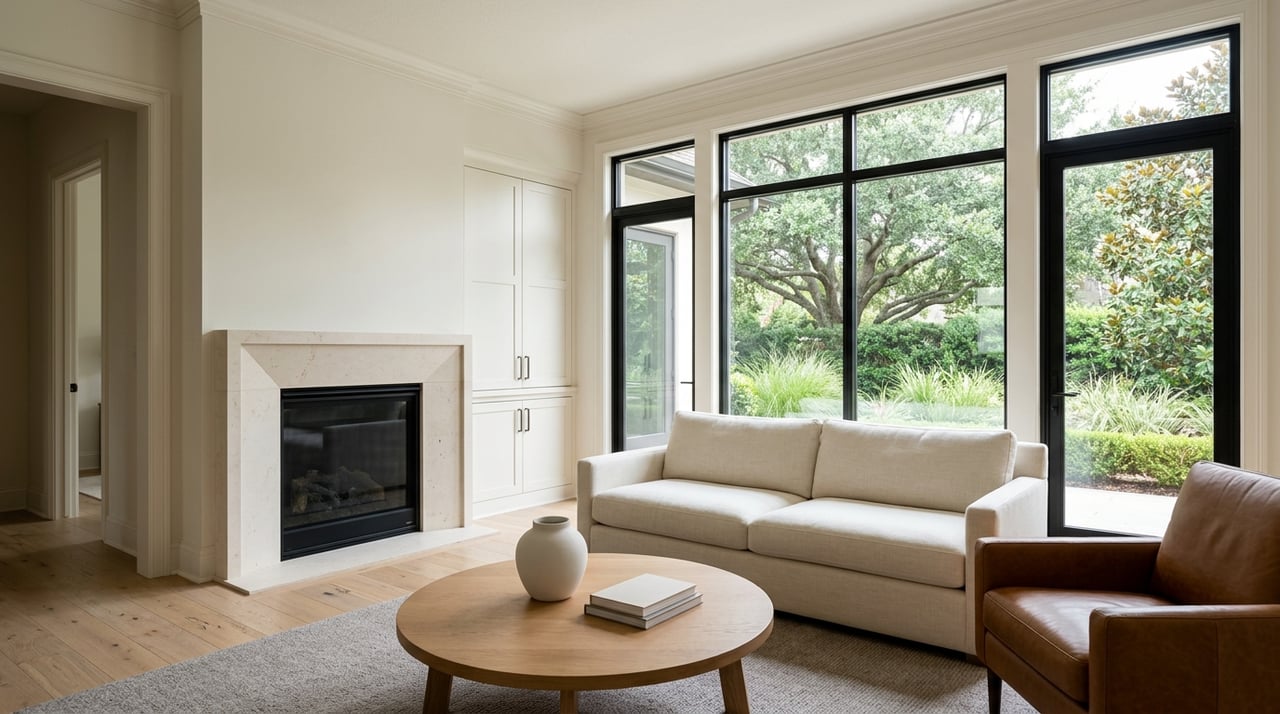

It's showing up now.
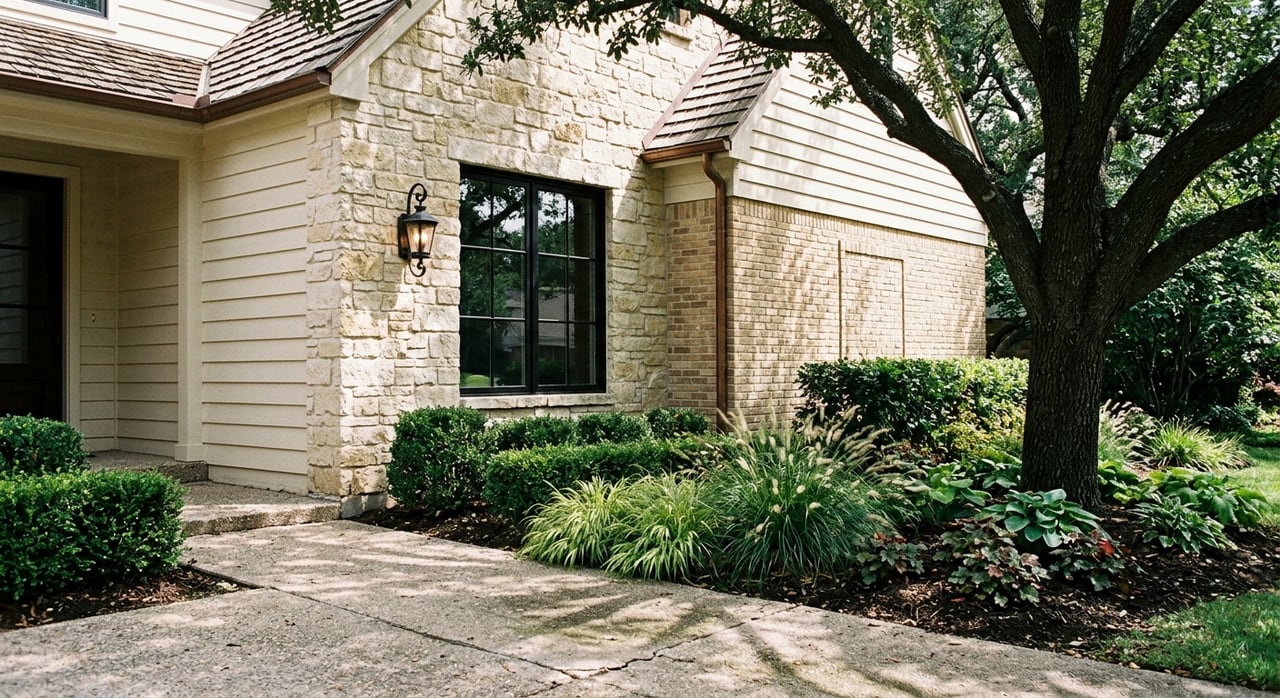

The renovation decisions you made in 2021 are being priced by today's buyers. Here's what that means for you.
Leveraging experience and data to produce a solution that's a fit for you, your current and long-term goals. And it starts with our first conversation. Call today!

1335 Lake Woodlands Dr C The Woodlands TX 77380