The Renovation That Made the House Impossible to Leave
Sellers Dave Jensen March 1, 2026
Sellers Dave Jensen March 1, 2026
The upgrade looked like an asset. Over time, it became an anchor.
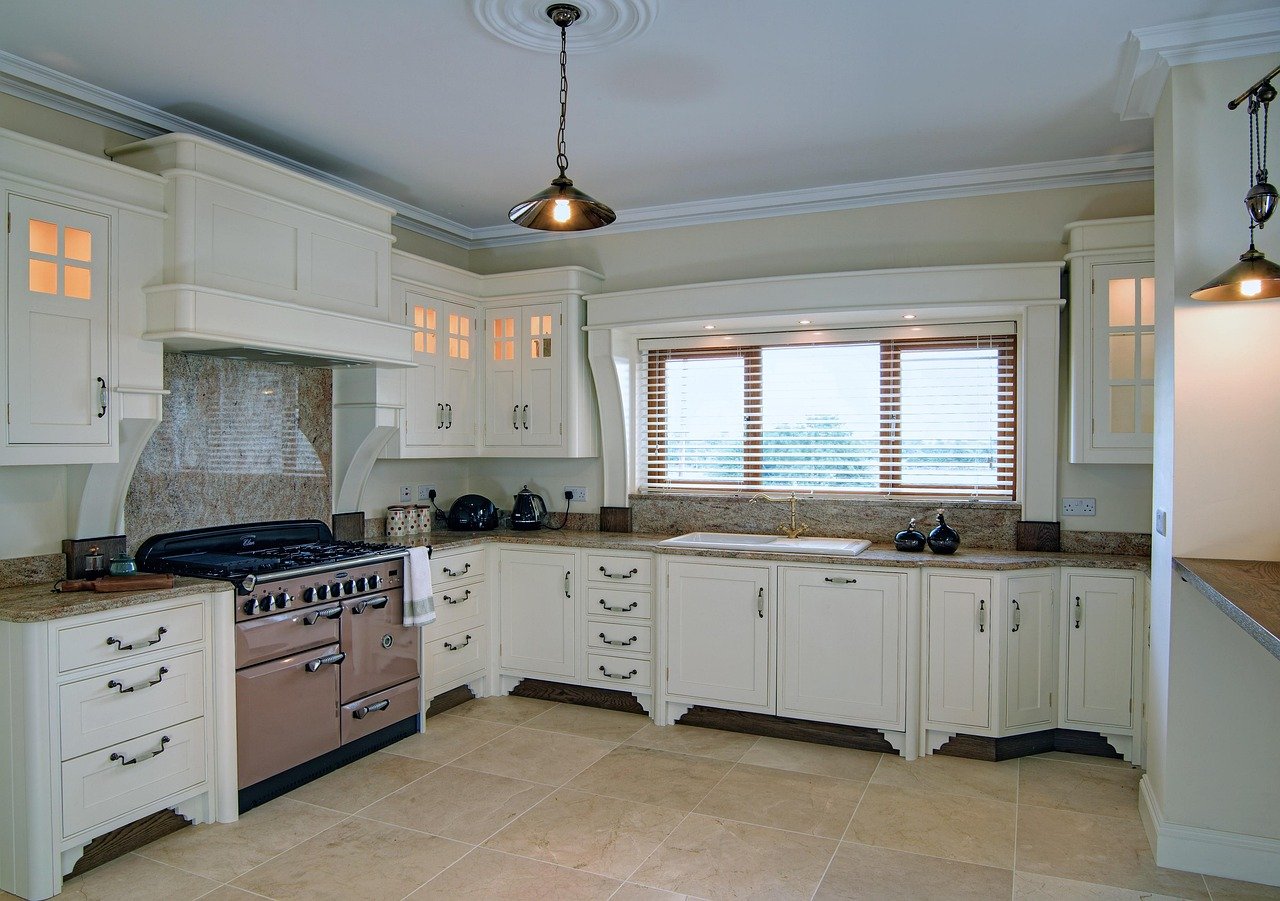
A couple in Memorial had lived in their home for nine years. They loved it, and over time they had made it theirs — a kitchen renovation, a custom primary suite addition, a backyard that reflected years of intentional decisions. Each project was well-executed. Each one made the home feel more irreplaceable. And that irreplaceability, it turned out, was exactly the problem.
When a career opportunity required relocation, they listed. The response was polite but measured. The buyers who toured appreciated the quality. They did not share the sellers' attachment to the choices that produced it. The custom finishes that felt essential to the owners read as personal to the market. Days on market extended. The price adjusted. The equity they had expected to extract — equity they had mentally deployed toward their next property — did not materialize the way the renovation investment had implied it would.
They had improved the property into a corner.
What Improvement Lock-In Actually Costs
Improvement Lock-In is when renovations or upgrades make a property harder to leave — through sunk cost, over-customization, or misalignment between what the owner values and what the market will pay for.
It shows up in two forms. The first is financial: renovation costs that do not return their full value at resale, tying up capital that could have been preserved for the next move or held as reserves. The second is psychological: the deeper the investment in a property — financial, emotional, aesthetic — the harder it becomes to evaluate it rationally when the Decision Window opens.
Both forms cost. The psychological form often costs more, because it is the one that causes owners to hold through the window rather than act when conditions favor them.
|
This is Improvement Lock-In. |
Where This Pattern Is Appearing in Houston Right Now
In the Memorial and West University corridors, I am watching renovation cycles that began during low-rate years now intersecting with families whose life requirements have shifted. The property they improved for the life they had is no longer aligned with the life they are living. The school district question has changed. The commute calculation has changed. The family composition has changed.
The renovation has not changed. And in some cases, it is the renovation — the custom wine room, the over-scaled primary suite that consumed what would have been a fourth bedroom, the pool that narrows the buyer pool in a neighborhood where not every buyer wants the maintenance — that is slowing the exit.
In Katy and The Woodlands, I am seeing the same dynamic at different price points. Families who stretched into upgrade projects during the past three years now find themselves in properties that cost more to carry than originally modeled, with renovation investments that did not return their cost at the exit they needed to make. The equity they expected is smaller. The next rung is further away.
This is where decisions quietly get expensive.
The Renovation Decision That Belongs in a Sequence
The question that should precede every significant renovation is not: will this improve my enjoyment of the property? It usually will. The question is: what does this do to my Exit Velocity, and what does it do to the capital I will need for the next move?
Exit Velocity is how quickly and cleanly a property can be converted to capital when life requires movement. A renovation that increases owner satisfaction while decreasing market appeal — that adds specificity where the market rewards neutrality, or depth where the buyer pool wants optionality — reduces Exit Velocity. The cost of that reduction does not appear on the renovation invoice. It appears years later, in days on market, in price concessions, in the equity that did not materialize when the window opened.
A wealth advisor working with clients in River Oaks described it to me recently in terms his clients understood immediately: renovations that reflect personal preference are consumption. Renovations that increase what a qualified buyer pool will pay are investment. The distinction matters most when the hold period is uncertain — which, in Houston's market, it almost always is.
The Three Renovation Questions Worth Asking First
Before committing to any significant improvement — anything above $25,000 in a property you intend to sell within seven years — three questions are worth examining with someone who thinks in sequences rather than transactions.
First: does this renovation appeal to your specific buyer pool, or to you? The answer requires knowing who actually buys in your submarket, at your price point, and what they pay premiums for. Not what HGTV suggests. Not what your neighbor did. What comparable buyers in comparable properties in your specific Houston submarket have demonstrably rewarded at resale.
Second: does this renovation increase or decrease your Exit Velocity? Properties that sell in days do so because they appeal broadly to qualified buyers without requiring those buyers to accept significant personal choices made by prior owners. A renovation that narrows that appeal — however tasteful — extends the timeline and often the price concession required to close it.
Third: what is this renovation doing to your capital position for the next move? Money converted into a renovation that does not return its cost at resale is capital no longer available for the next rung of the Property Ladder. That tradeoff is worth making explicit before the permits are pulled, not after the final invoice is paid.
The Unresolved Variable
The couple in Memorial eventually sold. It took longer than they expected and returned less than they had planned for. They are in the right place now — geographically, professionally, as a family. But the next rung cost more than it needed to, and the equity available to fund it was smaller than it would have been without the renovation that made the property feel irreplaceable.
The renovation was not a mistake in isolation. It became a constraint in sequence.
That distinction — between decisions that work in isolation and decisions that work across a chain of moves — is the difference between Transaction thinking and Sequence thinking. Most renovation decisions are made transactionally, in the context of the current property and the current life. The ones that age well are made with the next move already mapped.
See: Exit Velocity — Why the Exit Is the First Question
Not every renovation decision requires this level of analysis. But some — the ones made inside a sequence with meaningful capital and a hold period that is not yet fixed — absolutely do.
If someone in your circle is planning a significant improvement to a Houston property they may need to exit within the next five years, this is the conversation worth having before the contractor is hired.
Stay up to date on the latest real estate trends.
In luxury real estate, timing matters far less than the structure behind it — and the structure begins with the plan.

Most stress comes from waiting to plan, not from the move itself.

Why homeowners in the 4–7 year window often discover misalignment too late

When Comfort Quietly Delays Your Next Move
Sellers
When the renovation is finished, the exit gets harder

Exit Velocity and the Hidden Cost of Illiquid Real Estate

Why the home that solved today’s instability can quietly shape tomorrow’s constraints
Leveraging experience and data to produce a solution that's a fit for you, your current and long-term goals. And it starts with our first conversation. Call today!

1335 Lake Woodlands Dr C The Woodlands TX 77380