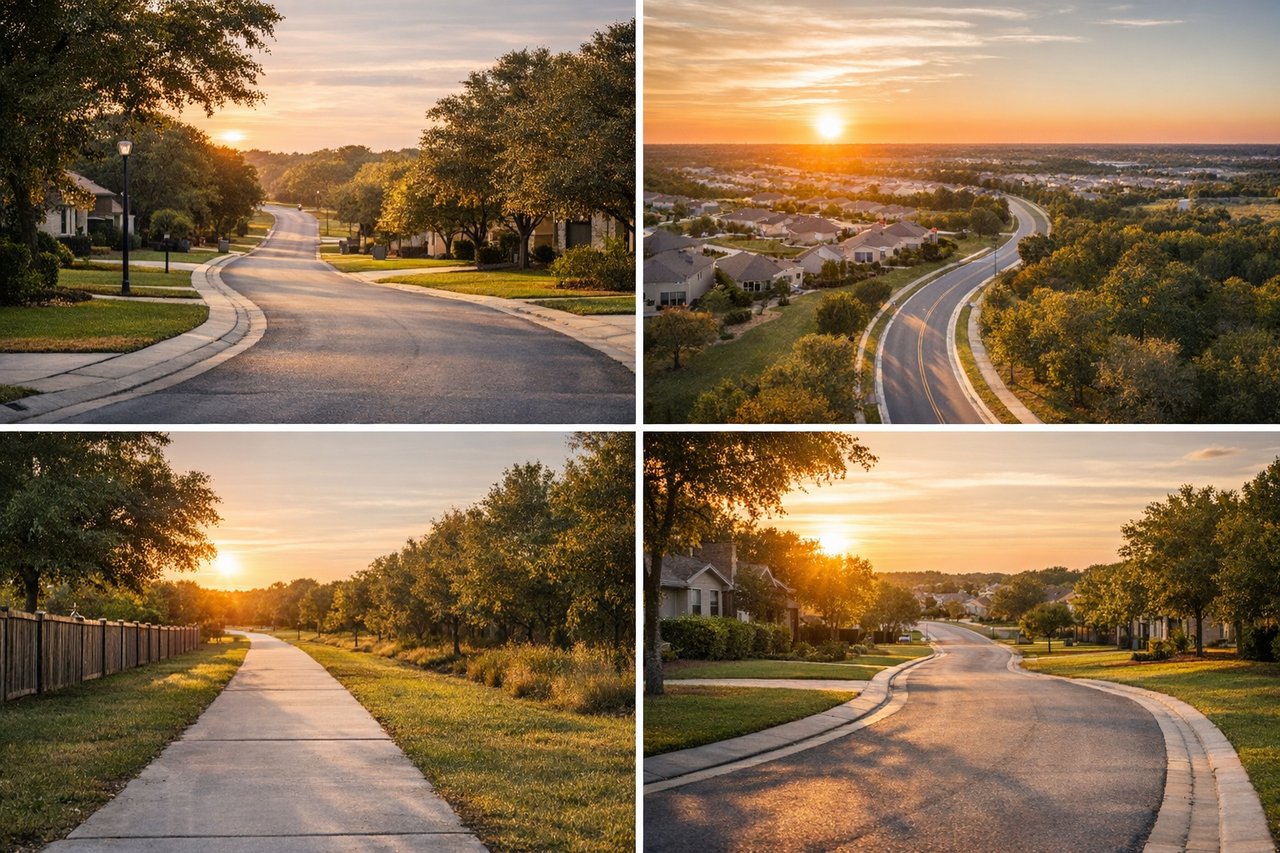
Lifestyle Drift in Real Estate: Why Homes Fall Out of Alignment Around Year Five
Dave Jensen March 15, 2026
Dave Jensen March 15, 2026
The first sign of Lifestyle Drift rarely feels important.
It usually shows up as something small.
A longer drive to work that did not matter when the house was purchased.
A school situation that changed after the move.
A teenager whose daily routine now revolves around activities twenty minutes in the opposite direction.
Nothing feels urgent enough to revisit the housing decision.
The home still works.
And because it works, the question gets postponed.
I see this pattern regularly in the Cypress, Klein, and Tomball corridor.
A family buys a home that fits their life at that moment.
Commutes make sense.
Schools line up.
Daily routines are simple.
Five years later, life has shifted.
Work locations change.
Children move into middle school or high school schedules.
Parents take on different responsibilities across the city.
The home itself has not changed.
But the life around it has.
That gap is what I call Lifestyle Drift in Real Estate Is a Sequence.
Life evolves continuously.
The home stays fixed.
Most homeowners do not notice the divergence until the moment the house suddenly stops working.
And that moment almost always arrives at the wrong time.
In Northwest Houston, the pattern often starts quietly around the 4–7 year window of ownership.
Equity is building.
The home is comfortable.
The neighborhood feels familiar.
From the outside, nothing appears wrong.
But the family's daily logistics begin stretching.
The commute that was once twenty-five minutes is now forty-five.
Activities cluster in a different school zone.
Weekend routines involve driving across the city more often than they used to.
Individually, none of these changes seem large enough to justify moving.
Together, they reshape the ownership sequence.
The problem is that Lifestyle Drift compounds slowly.
And because it compounds slowly, most homeowners do not run the sequence forward to see where it leads.
A representative scenario I see regularly in areas like Bridgeland or Gleannloch Farms looks like this.
A family buys their home when their children are young and their work locations are stable.
Five or six years later:
• One parent now works closer to The Woodlands.
• School activities cluster around a different part of the district.
• Weekend routines increasingly revolve around places twenty or thirty minutes away.
The home itself still feels comfortable.
But the logistics of life are no longer built around its location.
At that point, the sequence question appears.
Not: Is the house good?
But: Is the house still pointed in the right direction for the next five years of life?
Those are very different questions.
Most homeowners continue answering the first one.
The sequence requires answering the second.
This is where timing quietly becomes important.
The families who recognize Lifestyle Drift early have options.
They can plan.
They can watch their local market window.
They can prepare the home gradually instead of rushing.
They can align their next move with the stage of life that is coming.
The families who recognize it late face a very different situation.
They discover the misalignment at the exact moment they need the house to sell efficiently.
And that moment tends to be when preparation time is shortest.
One thing I often notice in listing conversations is how the sentence begins.
It almost always sounds like this:
"The house is fine… but our life has changed."
That sentence is the signal that Lifestyle Drift has already been happening for years.
The earlier someone says that sentence, the more options exist.
The later they say it, the more the sequence has already narrowed.
Because real estate decisions are never isolated.
They connect.
The home you own today determines the flexibility you have for the next one.
That is the entire premise behind Real Estate Is a Sequence.
Every property decision either opens the next door or quietly closes it.
If your daily routines look very different today than they did when you bought your home, the sequence question has probably already started forming.
Families in the 4–7 year window in communities like Cypress, Tomball, and Klein are often living this transition right now.
Most homeowners do not recognize Lifestyle Drift until three years after it began.
And by then, the sequence has already been moving in a direction they never intended.
Stay up to date on the latest real estate trends.

A grounded way to make your next move calm, clear, and financially sound.
Why “What’s My Home Worth?” Is the Second Question, Not the First
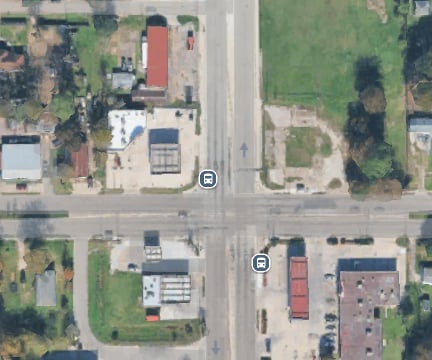
The geometry of land value along Houston’s emerging Northeast corridors.

Most sellers focus on pricing. The real advantage comes from understanding when the right buyers are actually active.

Why the strongest offer isn’t always the one that protects your next move
Leveraging experience and data to produce a solution that's a fit for you, your current and long-term goals. And it starts with our first conversation. Call today!

1335 Lake Woodlands Dr C The Woodlands TX 77380