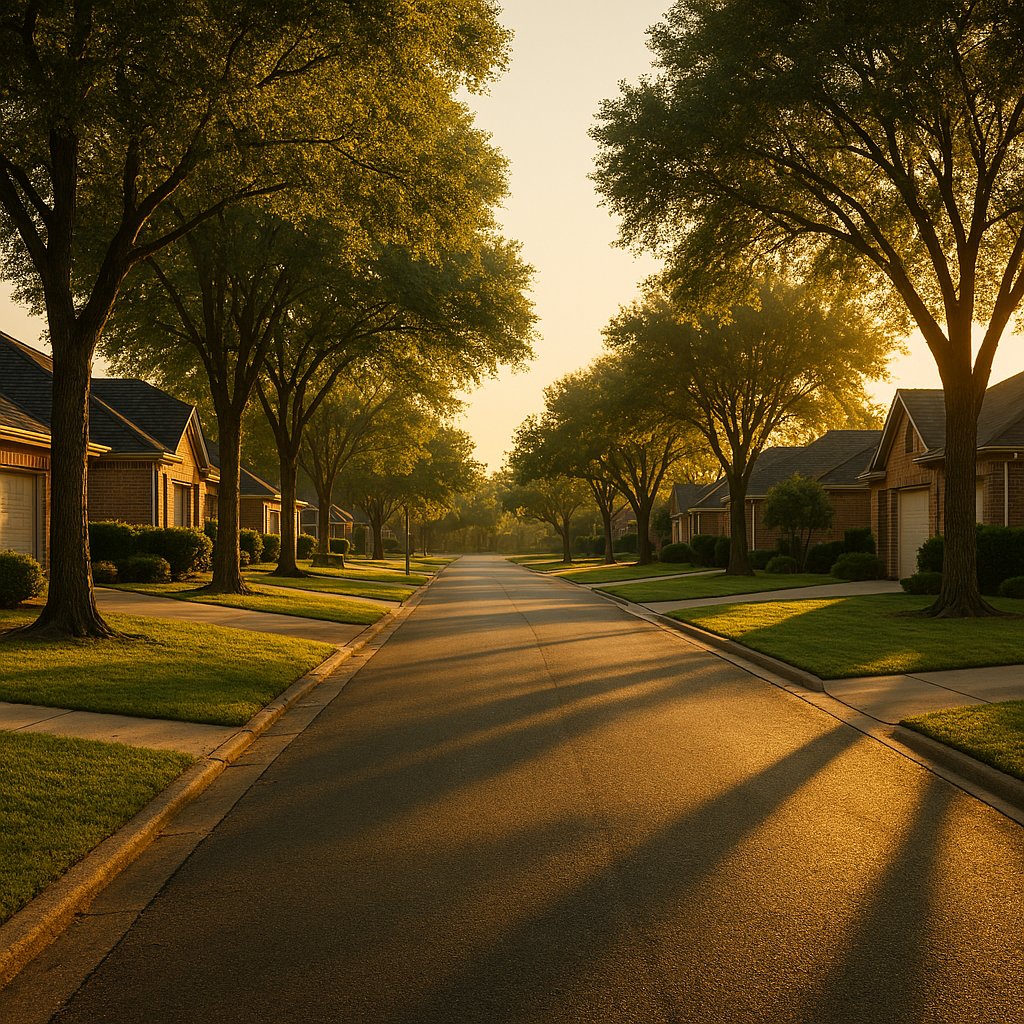
The Move Gets Easier the Moment You Start the Conversation
Dave Jensen March 22, 2026
Dave Jensen March 22, 2026
The homeowners who move well this summer are not the ones who started earlier than you. They are the ones who, when they realized it was time, picked up the phone and built a plan instead of sitting with the question a little longer.
That distinction — between building a plan and sitting with the question — is where smooth transactions separate from stressful ones. Not months earlier. Right there.
A family in Bridgeland, year six in the home. Two kids now, one approaching middle school. The house works — mostly. The commute is longer than it used to feel. Storage is tighter than they expected. Weeknights feel compressed.
Nothing urgent. Nothing broken. Just a quiet awareness that the house no longer fits as cleanly as it once did.
The instinct when that feeling arrives is to keep thinking about it. To wait until the picture is clearer. To gather a little more information before starting a conversation that feels like a commitment.
That instinct is not wrong — but it is expensive. Not because a window closes. Because every week spent thinking about a move instead of planning one is a week of preparation time that gets converted into pressure later.
The move does not get harder when you wait. It gets more compressed. And compression is what turns a manageable process into a stressful one.
The hidden constraint in real estate is not price. It is time — specifically, the gap between deciding to move and actually being in a position to move well.
In Real Estate Is a Sequence, my framework for how property decisions connect across a lifetime, I call this the Invisible Holding Period. It is the distance between intention and execution. For homeowners who navigate it without a plan, that gap almost always feels longer and harder than it needed to. Not because anything goes wrong — but because the sequencing that should have been mapped in advance gets assembled reactively, under pressure, while the clock runs.
What changes when the conversation happens first is not the timeline. It is the quality of every decision inside that timeline.
A representative scenario from Klein and Cypress that I see play out every spring looks like this.
A homeowner decides they want to be in a different home before the next school year. The window feels tight. The house needs attention — not major work, but enough to matter. Paint that has worn unevenly. A roof that is functional but at the edge of what a selective buyer will accept without asking questions. A kitchen that reads as dated to a buyer who has been looking at comparable listings for six weeks.
The homeowner who sat with the question for three weeks before calling now has three fewer weeks of preparation time. The contractor who was available is now booked. Decisions that could have been made deliberately are being made quickly. Work that should have been sequenced — this first, that second, skip the other entirely because it does not change the buyer conversation — is being figured out in real time.
The transaction is not ruined. It is just harder than it needed to be. More reactive. More expensive per decision. Less optimized.
Now run the same scenario with a single change: the homeowner has a conversation before they start making decisions.
Week one, the home gets walked by someone who has taken dozens of similar homes to market in this corridor. The work that changes the buyer conversation gets separated from the work that costs money without moving the needle. Contractors already in the network get engaged immediately — not after two weeks of the homeowner sourcing names. The pricing strategy, the timing, the preparation sequence — all of it mapped before a single dollar gets spent or a single day gets used.
The same home. The same spring market. A fundamentally different experience.
That is what a plan produces. Not a guarantee — real estate does not come with those — but a structure that absorbs the inevitable surprises instead of being destabilized by them.
Price is negotiated in public. Stress is manufactured in private, usually in the gap between when a homeowner knew they should start planning and when they actually did.
Right now across Bridgeland, Towne Lake, Gleannloch Farms, and the full Northwest corridor, the spring market is active. Buyers are engaged. Inventory is building. The homeowners entering this market with a clean, well-sequenced listing are having a different experience than the ones assembling their preparation on the fly — and the difference between those two groups almost never comes down to when they decided to move. It comes down to whether they had a plan from the first conversation or were building one as they went.
The conversation is the plan. The plan is what turns a stressful transaction into an optimized one.
The homeowner reading this knows whether they have been sitting with the question longer than the question deserves. They know whether they are in the thinking-about-it phase because the picture is genuinely unclear — or because starting the conversation feels like the moment it becomes real. Both are understandable. Only one of them produces a better outcome. Getting the information, understanding the options, mapping the sequence — none of that costs anything except the time it takes to have the conversation. What it produces is the difference between a move that happens to you and a move you executed exactly the way you intended.
The homeowners I see navigate transitions most cleanly are not the ones who had perfect timing. They are the ones who stopped letting the preparation wait on a feeling of readiness and made the call before they felt completely ready — because the call is what creates the readiness.
Stay up to date on the latest real estate trends.
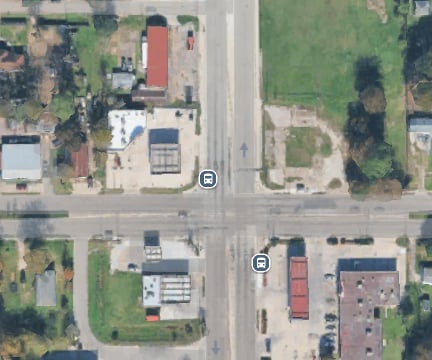
The geometry of land value along Houston’s emerging Northeast corridors.

Most sellers focus on pricing. The real advantage comes from understanding when the right buyers are actually active.

Why the strongest offer isn’t always the one that protects your next move
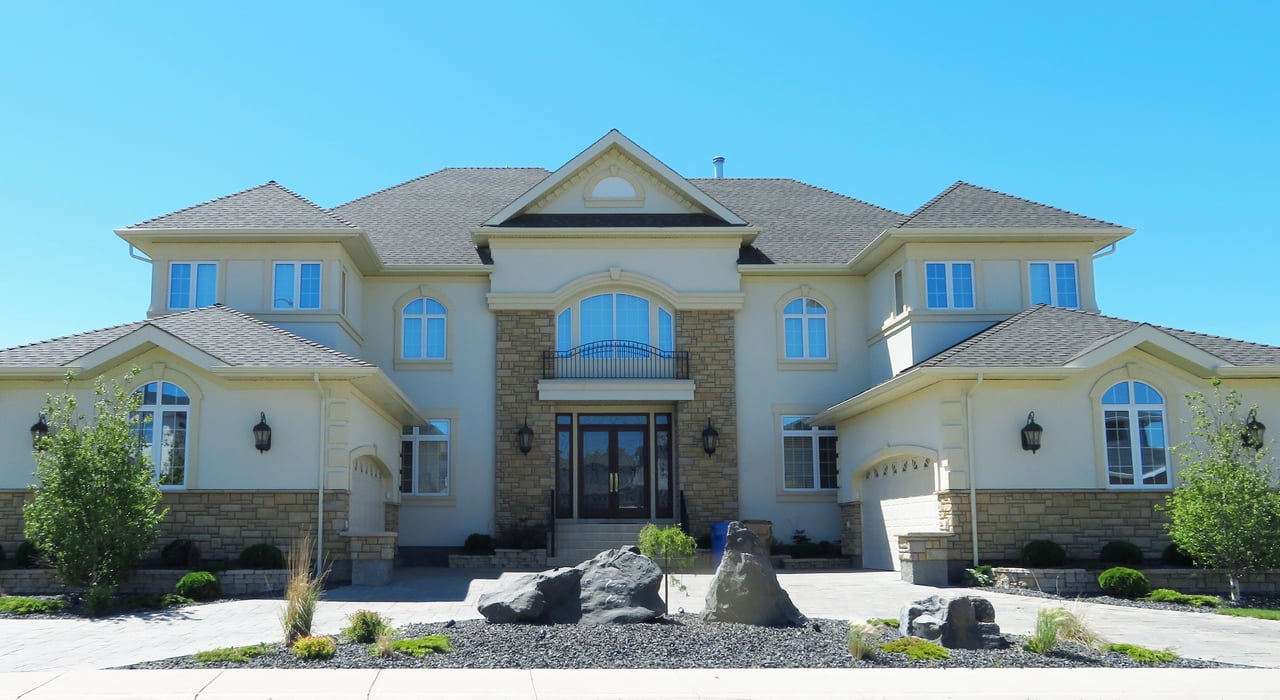
In luxury real estate, timing matters far less than the structure behind it — and the structure begins with the plan.
Most stress comes from waiting to plan, not from the move itself.
Why homeowners in the 4–7 year window often discover misalignment too late
When Comfort Quietly Delays Your Next Move
Leveraging experience and data to produce a solution that's a fit for you, your current and long-term goals. And it starts with our first conversation. Call today!

1335 Lake Woodlands Dr C The Woodlands TX 77380