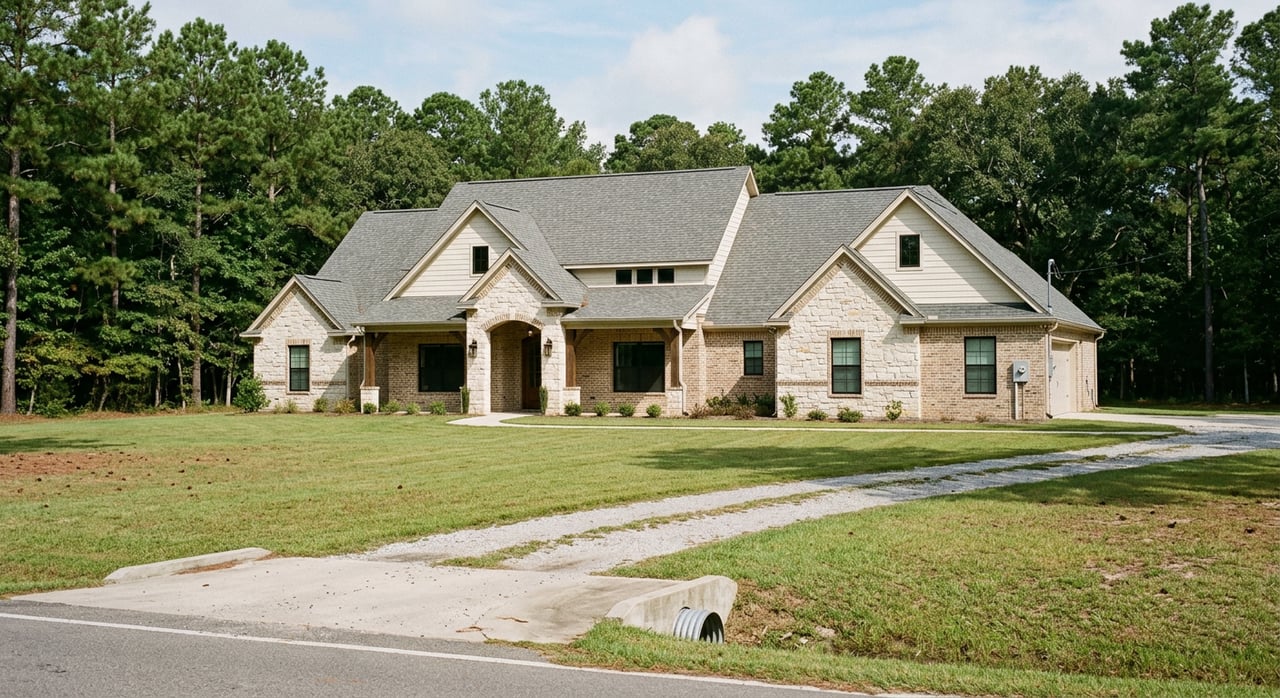
Buying Small Acreage Near Magnolia And Tomball
March 24, 2026
March 24, 2026
Two acres can change your everyday life, but the details can change your budget just as fast. Around Magnolia and Tomball, the biggest value drivers are not just the acres you see. They are the utilities you can connect, the roads you can use, and the rules that shape what you can build. In this guide, you’ll learn how small acreage is typically used, what to check for water, sewer, wells and septic, how pricing works, and when to bring in the right experts so you can buy with confidence. Let’s dive in.
Small acreage in this area usually ranges from 1 to 20 acres. On the lower end, 1 to 5 acres often fit a single-family home, a shop or barn, and space for privacy or small animals. From 5 to 20 acres, you will see hobby farms, timber or recreational tracts, and sites people hold for future subdivision or development.
Each tract is unique. A 2-acre parcel with paved frontage and nearby water and sewer can sell very differently than a 10-acre raw tract without utilities. Magnolia sits in Montgomery County and Tomball is in Harris County, so rules, utilities, and permitting can differ by location across these markets.
Inside some city limits, like parts of Tomball, municipal water and sewer are often available. If you are near or inside Tomball city limits, review the city’s development guidance on utilities early in your process by checking the City of Tomball Development Guide. Outside city limits, many rural parcels rely on a private well and a septic system, or they may be served by a municipal utility district or water supply corporation. Always confirm the utility provider and any connection or impact fees during your option period.
If a parcel does not have access to public sewer, you will need an on-site sewage facility, often called a septic system. In Texas, a permit and approved plan are required to construct, install, alter, or repair a septic system. The Texas Commission on Environmental Quality sets statewide rules and local authorities handle permitting and inspections. A site evaluation is normally required to show a septic system is possible on the specific lot.
Practical tip: Ask the seller or listing agent for a copy of any existing OSSF permit, recent maintenance records, and any permit numbers. Share these with your inspector and the county contact to confirm status and next steps before you remove your septic contingency.
Many acreage tracts outside city service rely on private wells. Montgomery County is inside the Lone Star Groundwater Conservation District, which regulates well permitting, spacing, and production. Contact the district and a licensed well driller early to discuss likely well depth, yield, and costs for your specific parcel, and whether any spacing rules apply.
If you plan to build and use a private well, remember that you are responsible for water quality testing and ongoing maintenance.
Electricity and natural gas vary by location. Call providers to confirm service and any extension costs. Internet service levels can change from fiber in some corridors to fixed wireless or satellite in more rural pockets, so check provider coverage maps early. For access, confirm whether your road is a public, county-maintained road or a private road or easement with private maintenance duties.
Floodplain status affects insurance, buildable area, and lender requirements. Check the FEMA Flood Map Service Center for official maps on any parcel you consider, and follow up with the local floodplain administrator if you have questions about historical flooding or elevation certificates.
Deed restrictions, also called restrictive covenants or CC&Rs, are private, recorded documents that run with the land. They can limit uses, animals, outbuildings, fencing, or future lot splits. These are separate from city or county codes. Always review the title commitment and recorded covenants in the county’s records for any tract you pursue.
Whether the parcel sits in a platted subdivision or is an unplatted tract can impact buildability and utility extensions. City extraterritorial jurisdiction, and any annexation plans, can also affect permitting and future infrastructure. Check city planning or ETJ resources for Magnolia and Tomball as part of your diligence, especially if you plan to subdivide.
Recorded easements for utilities, pipelines, and access can shape where you build and what you can do. In Texas, mineral rights are often severed from the surface, and the mineral estate can hold certain surface-use rights. Ask your title company to pull recorded oil and gas leases, pipeline easements, and any surface-use agreements, and discuss your questions early.
Small acreage is priced by what you can do with it and how quickly you can act. Value depends on usable acreage, not just gross acres. Utility access, road frontage, topography, flood exposure, and development potential matter. Deed restrictions, easements, and any special district costs also influence value.
Expect wide asking-price ranges across Magnolia and Tomball for similar acre counts. Pricing shifts quickly with utility access and proximity to key corridors. For closed-sale pricing and active competition, rely on MLS-backed comps and local expertise.
For vacant or semi-improved tracts, the sales-comparison approach is common. Appraisers look for nearby acreage sales and adjust for utilities, access, and physical features. When land is aimed at future subdivision, a subdivision or residual method can be used to model finished-lot values, costs, and absorption to estimate a land price.
Appraisal districts set taxable value and list the taxing units for each property. Check the applicable county site for current appraised values and tax rates, and confirm whether a municipal utility district or another special district applies. Be sure to estimate annual taxes along with any impact fees or assessments related to infrastructure.
If you plan to finance, involve a lender early. Raw land loans, lot loans, and construction-to-permanent loans are different products. Many lenders require higher down payments and want to know whether utilities are available and whether septic and well are feasible. If you plan to build, a construction-to-permanent loan that combines land and build costs can streamline the process, but terms vary by lender.
Bring the right experts in during your option period. A licensed surveyor can confirm boundaries and easements. A county-approved site evaluator or professional engineer can test soil and design a septic system. A licensed well driller can advise on likely depth, yield, and costs based on nearby wells and groundwater rules. Title and a knowledgeable local agent help coordinate these steps and keep your timeline on track.
Use this checklist during your option period to reduce surprises and protect your budget:
Run the parcel through FEMA’s Map Service Center and ask the local floodplain office about historical flooding or available elevation certificates. Use this to understand insurance needs and any buildable-area limits.
Tool: FEMA Map Service Center
If there is no public sewer, request county OSSF records and order a site evaluation. Do not assume a septic will be permitted without a proper evaluation and plan.
State overview: TCEQ OSSF guidance
Montgomery County OSSF: Montgomery County Environmental Health
Unincorporated Harris County OSSF: Harris County OCE — OSSF
If there is no municipal water, confirm well feasibility. Contact the Lone Star Groundwater Conservation District and a licensed well driller about likely depth, yield, spacing, and permitting.
Groundwater rules: Lone Star GCD
Verify electric, gas, and internet availability. Ask the city, MUD, or utility provider for connection requirements and written cost estimates to extend service, if needed. Inside Tomball city limits, use the city’s development guide to understand the process.
Reference: Tomball Development Guide
Check the appraisal district for current values, tax rates, and taxing units. Ask the seller and title company about any MUD bonds or pending assessments that affect carrying costs.
Montgomery County: MCAD
Harris County: HCAD
If your goal is to build soon, a smaller tract with paved frontage and nearby water and sewer can offer speed and simplicity. Your main checks are connection fees, septic feasibility if sewer is not available, and any deed restrictions shaping your design. Pricing for these tracts often reflects the convenience of existing infrastructure and access.
If you want more privacy or a hobby operation, a mid-size tract may be ideal. Expect to budget for a well, a septic system, and possibly a driveway and culvert. Focus on soils, drainage, and usable area, not just gross acres, so your home site and outbuildings fit your plan.
If you are buying primarily for long-term value, dig into flood maps, frontage, and any encumbrances or ETJ items that affect future subdivision. The subdivision or residual approach to valuation is most relevant here, and timing your utility extensions can matter. Closed-sale comps, a realistic absorption plan, and clear carrying cost estimates all help you price risk.
Buying small acreage near Magnolia and Tomball is doable when you follow a clear process. Verify utilities and septic or well feasibility first, get a current survey, and check flood status and restrictions. Then align your financing and timeline so you can act with confidence. If you want help comparing tracts, pulling recent sold comps, or coordinating due diligence, connect with Dave Jensen for local, hands-on guidance.
Stay up to date on the latest real estate trends.
A grounded way to make your next move calm, clear, and financially sound.
Why “What’s My Home Worth?” Is the Second Question, Not the First
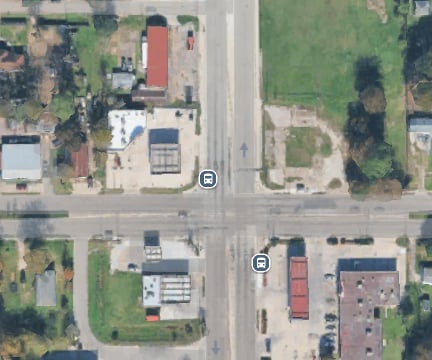
The geometry of land value along Houston’s emerging Northeast corridors.

Most sellers focus on pricing. The real advantage comes from understanding when the right buyers are actually active.

Why the strongest offer isn’t always the one that protects your next move
Leveraging experience and data to produce a solution that's a fit for you, your current and long-term goals. And it starts with our first conversation. Call today!

1335 Lake Woodlands Dr C The Woodlands TX 77380