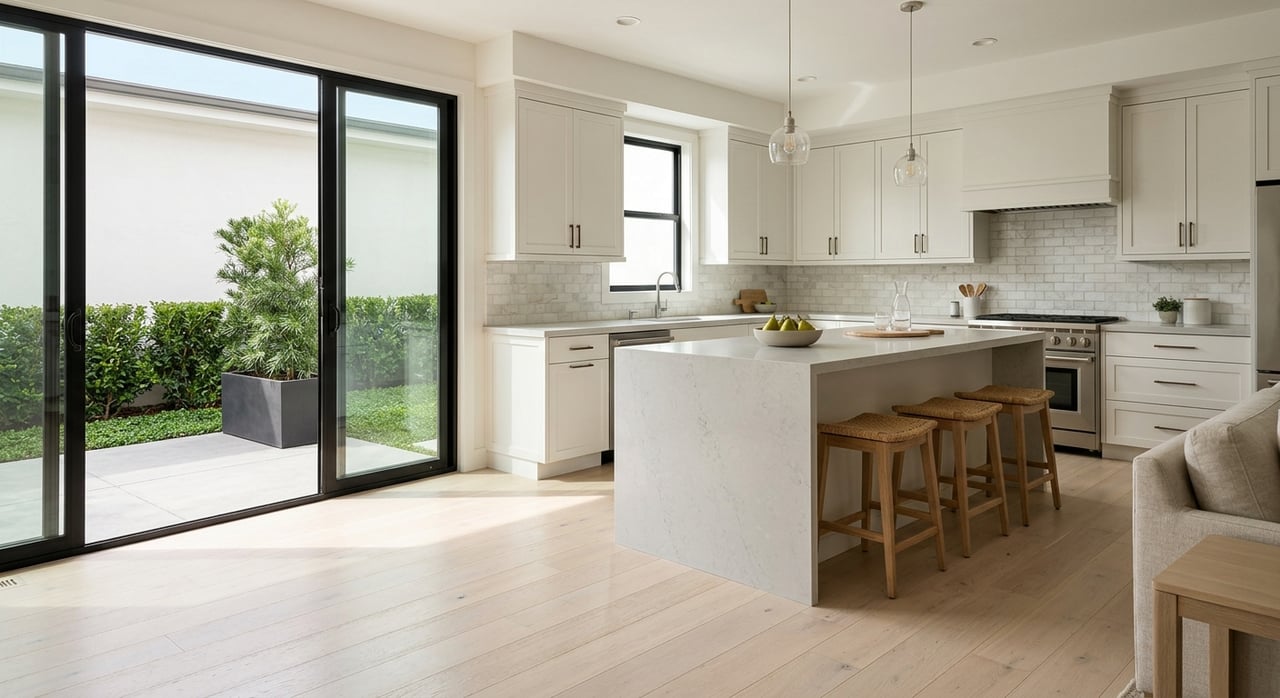
How Sellers In Klein TX Can Maximize Their Net
April 2, 2026
April 2, 2026
If you want to walk away with more money when you sell, the highest offer is not always the best offer. In Klein, today’s market gives buyers more options, which means your pricing, prep, and negotiation strategy matter more than ever. The good news is that you can still protect your bottom line with the right plan. Let’s dive in.
If you are selling in Klein, you are not listing into the same market sellers saw during the pandemic surge. Realtor.com’s Klein market summary shows 682 homes for sale, a median 44 days on market, and homes selling for 1.9% below asking in February 2026.
That points to a market where buyers have more leverage. HAR also shows active listings in the Spring/Klein area rising from 383 in January 2026 to 463 in March 2026, which supports the same bigger-picture trend of more competition for sellers. When inventory rises, overpricing usually costs you time and negotiating power.
This is why maximizing your net in Klein starts with discipline, not guesswork. A strong sale today usually comes from a realistic launch price, smart preparation, and a clean offer structure.
Many sellers assume a higher list price creates more room to negotiate. In a buyer-leaning market, that approach can backfire. If your home sits too long, buyers may start to wonder what is wrong, and later price reductions can weaken your position.
The National Association of REALTORS® explains that a comparative market analysis, or CMA, helps sellers determine a listing price by reviewing the property, local market trends, and comparable homes. It is not an appraisal, but it is one of the best tools for setting a well-supported asking price.
NAR also notes in its consumer guide to pricing a home that agents evaluate size, location, amenities, condition, and current market conditions when recommending price. In practical terms, that means your home should be priced against recent sold homes that are truly similar, not against broad Houston averages or an optimistic number pulled from memory.
For Klein sellers, this matters even more because homes are not generally selling at full asking price right now. With local data showing a sale-to-list ratio near 98%, the better strategy is often to launch at a price buyers can justify quickly instead of testing the market too high and chasing it later.
The most useful pricing data usually comes from homes close to yours in location, age, size, and condition. That helps you avoid pricing based on properties that look similar on paper but appeal to a different buyer pool.
A good CMA should account for features like updates, lot characteristics, layout, and overall condition. If your main goal is speed, NAR says a more competitive list price may make sense. If you have more time, a slightly higher ask may be reasonable, but it should still be grounded in the current market.
Timing can influence both days on market and your leverage during negotiations. HAR’s Spring/Klein data shows stronger transaction activity in late spring and early summer 2025 than in winter 2026, with lower days on market during the stronger seasonal months.
Texas A&M’s Real Estate Center also reports that Texas home sales usually accelerate in spring, peak in summer, and slow in winter. For you, that means spring and early summer are often the most favorable windows if your goal is maximum exposure.
That does not mean you cannot sell in fall or winter. It simply means off-season listings may need sharper pricing or stronger concessions to compete for the same attention.
When more buyers are active, you may have a better chance of getting strong terms without giving away as much in credits or repairs. When buyer traffic slows, every objection matters more.
If you have flexibility, listing ahead of the peak summer season can help you reach buyers when demand is more active. In a market with more available inventory, timing can be one more way to support your net proceeds.
Not every project helps you sell for more. If your goal is to maximize your net, the smartest strategy is to focus on the improvements buyers will notice in photos, during showings, and in inspections.
NAR’s consumer guide on preparing to sell says a pre-sale inspection is optional, but it can uncover issues you may want to address before listing. Even if you decide not to repair everything, it helps to understand the likely costs of items like the roof, HVAC, dishwasher, or washer and dryer, since buyers may use those costs during negotiations.
The same guide notes that cosmetic work is optional, but cleaning windows, carpets, lighting fixtures, and walls, reducing clutter, and improving curb appeal can improve first impressions. Those lower-cost steps often make a meaningful difference without requiring a full remodel.
The easiest wins often come from simple, visible improvements:
These updates can help your home photograph better and show better. In a market where buyers have choices, presentation matters.
According to NAR’s 2025 home staging snapshot, 83% of buyers’ agents said staging made it easier for buyers to visualize the property as a future home. The most commonly staged rooms were the living room, primary bedroom, and dining room.
That does not mean you need to stage every room. It does mean that the spaces buyers notice first should feel clean, open, and easy to understand.
Big remodels do not always produce the best return before listing. NAR’s 2025 Remodeling Impact Report found that some smaller projects can perform very well, including a new steel front door with 100% recovered cost.
The same report says REALTORS® most often recommended painting the entire home, painting one room, and new roofing before listing. That reinforces a practical point: spend where it reduces buyer objections and supports value, not where it simply looks ambitious.
One of the biggest mistakes sellers make is focusing only on the offer price. Your net depends on much more than that.
NAR’s guidance on the current rules for buyers and sellers explains that broker fees and commissions are fully negotiable and not set by law. It also explains that sellers can still offer concessions, including help with buyer closing costs, and that buyers may ask a seller to cover some or all of the buyer-agent fee.
That means two offers with the same purchase price can produce very different results. A lower offer with fewer contingencies, less repair exposure, and smaller concession demands may leave you with more money at closing than a higher offer with costly strings attached.
When reviewing offers, look closely at:
NAR’s pricing guide notes that cash offers or offers with fewer contingencies can be stronger than a higher-priced offer with more risk. If your goal is to maximize net, clean terms deserve serious attention.
Some seller costs are negotiable, and some are more standardized. Knowing the difference helps you focus on the expenses that matter most.
In Texas, title insurance rates are regulated. The Texas Department of Insurance says all title companies charge the same title policy rates, and the owner’s policy premium is based on the sale price. The buyer and seller may negotiate who pays that premium.
Using TDI’s 2026 rate table, the owner’s title policy is about $1,892 on a $325,000 sale and about $2,336 on a $415,000 sale. That is a real cost, but it is often less important to your final net than pricing mistakes, large concessions, or avoidable repair negotiations.
Property taxes also affect closing. The Harris County Tax Office says property taxes are part of closing costs, the county does not prorate taxes, and a tax certificate may be needed to show account status.
That matters because tax assumptions should be based on the actual tax bill and any applicable exemptions, not on a rough estimate. If you want an accurate net sheet, real tax figures matter.
If you want to keep more of your proceeds, your strategy should be simple and disciplined. In today’s Klein market, the sellers who do best are often the ones who avoid overpricing, prep selectively, and negotiate carefully.
A strong plan usually looks like this:
If you are weighing whether to sell now or want help building a pricing strategy around your timeline, working with a local, data-driven approach can make a meaningful difference. For personalized guidance and a clear look at what your home may be worth in today’s market, connect with Dave Jensen.
Stay up to date on the latest real estate trends.
Why “What’s My Home Worth?” Is the Second Question, Not the First
The geometry of land value along Houston’s emerging Northeast corridors.

Most sellers focus on pricing. The real advantage comes from understanding when the right buyers are actually active.

Why the strongest offer isn’t always the one that protects your next move

In luxury real estate, timing matters far less than the structure behind it — and the structure begins with the plan.
Leveraging experience and data to produce a solution that's a fit for you, your current and long-term goals. And it starts with our first conversation. Call today!

1335 Lake Woodlands Dr C The Woodlands TX 77380