
The Offer That Looked Like the Answer
Dave Jensen March 29, 2026
Dave Jensen March 29, 2026
There’s a moment in every listing when the room gets quiet. The offers are in. The preparation did what it was supposed to do. And one number sits clearly above the rest.
In Benders Landing last year, that moment came fast — four offers in the first week, one meaningfully higher than the others. The sellers took it. It felt like the obvious move.
Six months later, the next chapter wasn’t unfolding the way they expected.
There’s a pattern I call the False Win. It doesn’t describe a failed sale. The closing happened. The check cleared. The False Win shows up in what happens after the sale — in the sequence the seller was trying to build, and how one decision at the offer table quietly redirected it.
Spring in Houston’s luxury corridors — The Woodlands, Creekside, Memorial, Rock Creek, Bridgeland, Stone Lake, Towne Lake — creates the perfect conditions for this. Inventory rises. Buyers are active. Multiple offers appear. And the highest number feels like confirmation.
Sometimes it is. Sometimes it isn’t.
In this case, the top offer depended on the buyer closing a home they were selling — a home that hadn’t closed yet. The financing looked solid. The lender was reputable. But the structure depended on equity that wasn’t in hand.
The expected 30‑day close became 59.
In those extra weeks, the property the sellers had been tracking in High Meadow Ranch — the one they’d been preparing for — moved. Their transition window closed before their transaction did.
They still closed. They still got the number they wanted. But they also signed a three‑month lease they hadn’t planned for, waiting for the right home to reappear.
The transaction succeeded. The sequence didn’t.
This is the difference between offer evaluation and offer review.
Evaluation asks: Which offer pays the most?
Review asks: Which closing supports the next move most cleanly?
At $1.5M–$3M in The Woodlands, Memorial, Creekside, Bridgeland, and Rock Creek, that difference can be measured in six figures — not in price, but in what the seller loses access to while waiting.
Three things matter most:
1. The buyer’s actual financing architecture A pre‑approval is a category, not a quality. Where the money comes from — and what it depends on — determines whether the offer price becomes the closing price.
2. The contingency structure Every contingency is a pause point. A clean offer at a slightly lower number often produces a better outcome than a high offer with stacked contingencies.
3. The closing timeline In corridors like Texas Grand Ranch, Creekside, and Stone Lake, the right home can move in days. A three‑week delay can erase the window a seller was counting on.
Across my practice this week — two new listings, an investor closing, commercial mapping in The Woodlands — the same principle keeps showing up:
The offer that looks like the win isn’t always the one that builds the next chapter.
The sellers who move cleanly through transitions in Memorial, Benders Landing, High Meadow Ranch, and The Woodlands share one pattern: They knew what the closing needed to accomplish before the first offer arrived.
That clarity doesn’t come from the offer table. It comes from the planning conversation that happens six to twelve months earlier.
If you’re in year seven or beyond in a home in The Woodlands, Creekside, High Meadow Ranch, Texas Grand Ranch, Bridgeland, Stone Lake, Towne Lake, or Rock Creek — and you’ve been thinking about the next chapter — spring is when preparation becomes more than preparation.
It becomes the difference between a transaction that closes and a transition that works.
Stay up to date on the latest real estate trends.
The geometry of land value along Houston’s emerging Northeast corridors.

Most sellers focus on pricing. The real advantage comes from understanding when the right buyers are actually active.
Why the strongest offer isn’t always the one that protects your next move
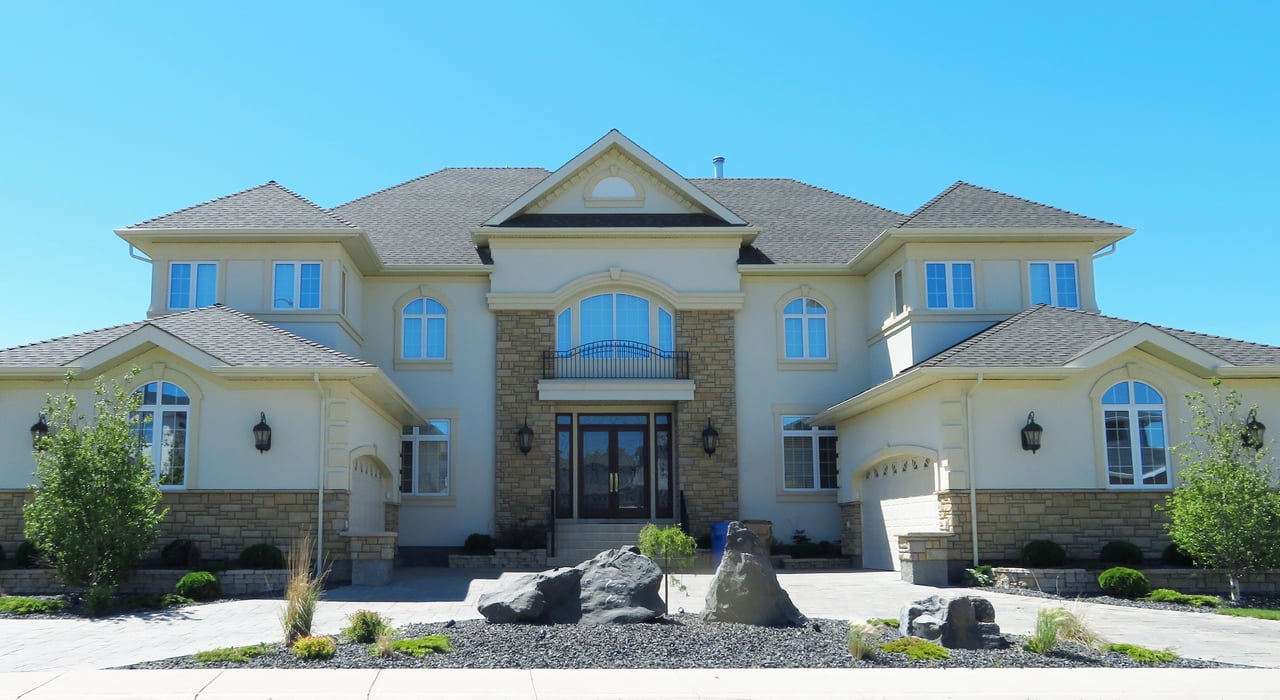
In luxury real estate, timing matters far less than the structure behind it — and the structure begins with the plan.

Most stress comes from waiting to plan, not from the move itself.
Why homeowners in the 4–7 year window often discover misalignment too late
Leveraging experience and data to produce a solution that's a fit for you, your current and long-term goals. And it starts with our first conversation. Call today!

1335 Lake Woodlands Dr C The Woodlands TX 77380